Table of Contents
Television has come a long way from bulky antennas and fixed broadcast schedules. Today, IP IPTV — short for Internet Protocol IPTV — is reshaping how millions of people consume live TV, on-demand content, and international channels from any device, anywhere in the world. If you’ve been hearing the term and wondering what it means, how it works, and whether it’s the right solution for your entertainment needs, you’re in the right place. This guide breaks everything down in plain language, from the core technology to practical setup tips and what to look for in a quality subscription.
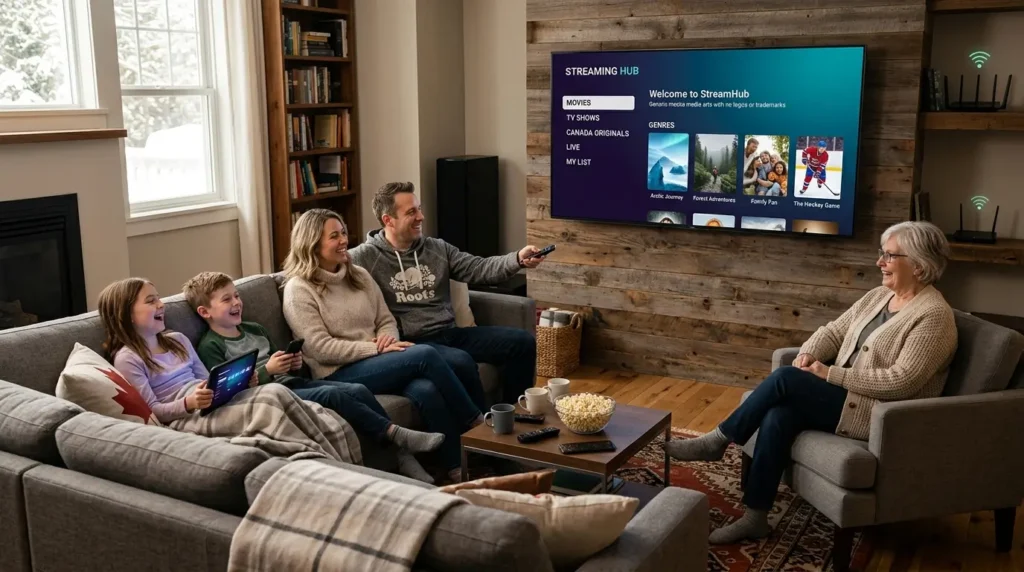
What Is IP IPTV and How Does It Work
At its core, IP IPTV is a method of delivering television content over the internet using Internet Protocol (IP) networks — the same technology that powers web browsing, video calls, and email. Unlike traditional cable or satellite broadcasting, which pushes signals to all subscribers simultaneously, IP IPTV sends content directly to your device on demand, through a dedicated data stream.
Here’s a simplified breakdown of how the process works:
- Content encoding: Live TV channels and video-on-demand titles are compressed and encoded into digital data packets.
- Delivery via IP network: Those packets are sent over a broadband connection — fiber, DSL, or 4G/5G — to your home or device.
- Decoding and playback: A media player, smart TV app, or set-top box decodes the stream and displays it on screen in real time.
This architecture makes IP IPTV far more flexible than legacy broadcasting. Providers can offer hundreds or even thousands of channels without the infrastructure costs of satellite or cable. Viewers, in turn, gain the ability to pause live TV, rewind, record, and access on-demand libraries — all from a single platform.
For the technology to work smoothly, a stable broadband connection is essential. Most providers recommend a minimum of 10 Mbps for standard definition and 25 Mbps or higher for HD and 4K streams.
Key Benefits of IP IPTV for Modern Viewers
The rise of IP IPTV isn’t accidental. It offers a compelling combination of flexibility, content variety, and cost efficiency that traditional TV simply cannot match.
1. Multi-Device Access One of the biggest advantages of IP IPTV is the freedom to watch on virtually any screen. Whether it’s a smart TV, laptop, tablet, or smartphone, as long as the device runs a compatible app or browser, the service travels with you.
2. International Content Access IP IPTV opens the door to international programming that local cable providers never carry. Viewers can access channels broadcasting in dozens of languages and regions, making it especially valuable for expatriates or multilingual households. Content availability may vary by region and subscription plan.
3. Cost-Effective Alternative Compared to traditional cable bundles, many IP IPTV subscriptions offer a broader channel lineup at a lower monthly cost. There’s no need for specialized hardware installations or long-term contracts in most cases.
4. On-Demand Features Beyond live TV, most IP IPTV platforms include catch-up TV and video-on-demand libraries, giving viewers control over what they watch and when.
5. High-Quality Streaming Modern IP-IPTV services support HD and 4K resolution streams, provided the internet connection meets the bandwidth requirements. Picture quality has become comparable — and often superior — to cable HD broadcasts.
Users should always ensure they access licensed and authorized content through compliant IP IPTV providers, in accordance with local laws and licensing regulations.

How to Set Up IP IPTV on Your Devices
Getting started with IP IPTV is more straightforward than most people expect. The exact steps will vary depending on your device and chosen provider, but the general process follows a consistent pattern.
Step 1 — Choose a Compatible Device IP-IPTV works on a wide range of devices:
- Smart TVs (Android TV, Samsung Tizen, LG webOS)
- Streaming sticks and boxes (such as Android-based devices)
- Smartphones and tablets (iOS and Android)
- Desktop and laptop computers via web browsers or dedicated apps
- Set-top boxes with IPTV support
Step 2 — Select and Subscribe to an IP-IPTV Service Choose a reputable IP-IPTV provider that offers the channels and content libraries you need. Look for services with clear terms of use, transparent pricing, and reliable customer support. Always verify that the provider operates within applicable licensing agreements.
Step 3 — Install the Required App Most IP-IPTV providers offer a dedicated app for major platforms, or support third-party IPTV player applications. Install the app from your device’s official app store.
Step 4 — Enter Your Credentials After subscribing, you’ll receive login credentials or an M3U playlist URL. Enter these in the app to activate your IP-IPTV account and load the channel list.
Step 5 — Optimize Your Connection For the best experience, connect your device to your router via Ethernet if possible. If using Wi-Fi, ensure you’re on a 5GHz band with strong signal strength to minimize buffering.
Choosing the Right IP IPTV Subscription
Not all IP-IPTV services are created equal. With a growing number of providers on the market, knowing what to evaluate before committing is important.
Channel Selection Review the provider’s channel list carefully. Does it include the live sports, news, and entertainment categories you watch regularly? International channel libraries are a bonus for multilingual households.
Stream Quality and Stability Look for providers that guarantee HD and 4K streams with low buffering rates. Trial periods or money-back guarantees are a good sign of provider confidence in their service quality.
Device Compatibility Confirm the service supports all the devices in your home. A good IP IPTV subscription should work seamlessly across smart TVs, mobile devices, and computers without requiring separate accounts.
Customer Support Responsive support — whether via live chat, email, or a help center — makes a real difference when technical issues arise. Prioritize providers with clear response time commitments.
Legal Compliance Only use IP-IPTV platforms that operate with proper broadcasting licenses and content rights. Unauthorized streaming services may expose users to legal risks and typically offer lower reliability.
IP IPTV — Frequently Asked Questions
What does IP-IPTV stand for? IP IPTV stands for Internet Protocol IPTV, which is a technology that delivers television programming through internet protocol networks rather than via traditional satellite or cable infrastructure.
Do I need special equipment for IP-IPTV? In most cases, no specialized hardware is required. A compatible smart TV, streaming device, smartphone, or computer with a broadband connection is sufficient. Some users opt for a dedicated set-top box for a more TV-like experience.
How fast does my internet need to be for IP-IPTV? A minimum of 10 Mbps is generally recommended for standard definition streams. For HD quality, 20–25 Mbps is advisable, and 4K content typically requires 50 Mbps or more for smooth, uninterrupted playback.
Can I use IP-IPTV on multiple devices simultaneously? This depends on the subscription plan. Many providers offer multi-connection plans that allow two or more simultaneous streams. Check the terms of your chosen service for details.
Is IP IPTV legal? IP-IPTV as a technology is legal. However, the legality depends entirely on the specific service and how it licenses its content. Always choose providers that operate with proper broadcasting rights and comply with local regulations.
Will IP IPTV work if my internet goes down? No. Since IP-IPTV relies entirely on an internet connection, any outage or significant drop in bandwidth will interrupt service. A reliable broadband connection is essential for consistent viewing.
Conclusion: Is IP-IPTV Right for You?
IP IPTV has firmly established itself as one of the most versatile and cost-effective ways to access television content in 2026. Whether you’re looking to cut the cable bill, access international programming, or simply enjoy the convenience of multi-device streaming, an IP IPTV solution can deliver all of this and more.
The key is choosing the right provider — one with a solid channel lineup, good stream quality, transparent pricing, and proper licensing. Take advantage of trial periods where available, test performance on your primary devices, and always verify that the service operates within legal and regulatory standards.
Ready to upgrade your viewing experience? Explore reputable IP-IPTV subscriptions today and discover how internet-based television can transform the way you watch.